
Traditionally, industries and markets viewed a business model as a prerequisite—a blueprint that could forecast the future success of a venture, often before it even earned its first dollar. Investors, entrepreneurs, and strategists placed immense faith in these models, treating them as the foundation upon which fortunes could be built.
However, the dot-com bubble of 2008 challenged these beliefs. During this era, many startups, buoyed by the optimism of their business models, secured significant investments without ever generating cash flow. The collapse of this bubble led to a realisation: a business model, no matter how well-conceived, does not guarantee success. It sparked a critical question that persists to this day—is a business model a static prerequisite for launching a business, or is it a dynamic framework that evolves over time?
Bill Gross, the founder of Idealab, analysed 200 companies—100 from Idealab and 100 others—and discovered that timing is the most critical factor for startup success, accounting for 42% of the difference between success and failure, even more than the business idea, business model, execution, or funding. Airbnb gained traction during a recession when people needed extra income, while Uber aligned with the gig economy boom, providing flexible work opportunities. Conversely, companies like z.com failed despite having solid ideas and funding due to poor timing. z.com launched before broadband adoption became widespread, whereas YouTube succeeded just few years later when infrastructure caught up.
So Timing is crucial in ensuring market readiness—it’s about understanding whether consumers are prepared to embrace a solution. Entrepreneurs must carefully assess trends, economic conditions, and customer behavior to determine if they are too early, too late, or perfectly timed.
Facebook’s business model, for example, was not fully defined at its inception and has evolved over time. In a 2008 interview, Mark Zuckerberg stated, “I don’t think social networks can be monetized in the same way that search did… In three years from now, we have to figure out what the optimum model is.” Over time, Facebook developed a targeted advertising platform, which became its main revenue source. Strategic acquisitions, like Instagram and WhatsApp, expanded its user base and diversified offerings. In 2021, the rebranding as Meta indicated a new focus on building the metaverse and exploring alternative revenue streams.
Many successful companies have adapted their business models in response to evolving market demands and new opportunities. Below are some examples of such companies.

What is a Business Model?
“A business model describes the rationale of how an organization creates, delivers, and captures value” – Alexander Osterwalder and Yves Pigneur.
A business model is the blueprint for a company’s operations, outlining its purpose, target audience, offerings, and how it sustains profitability. Business Model Canvas (BMC), created by Alexander Osterwalder and Yves Pigneur, is a strategic management tool that offers a visual representation of a business model. It is widely used by new ventures and established businesses to map out key aspects, facilitating a clear and comprehensive understanding of their operations.

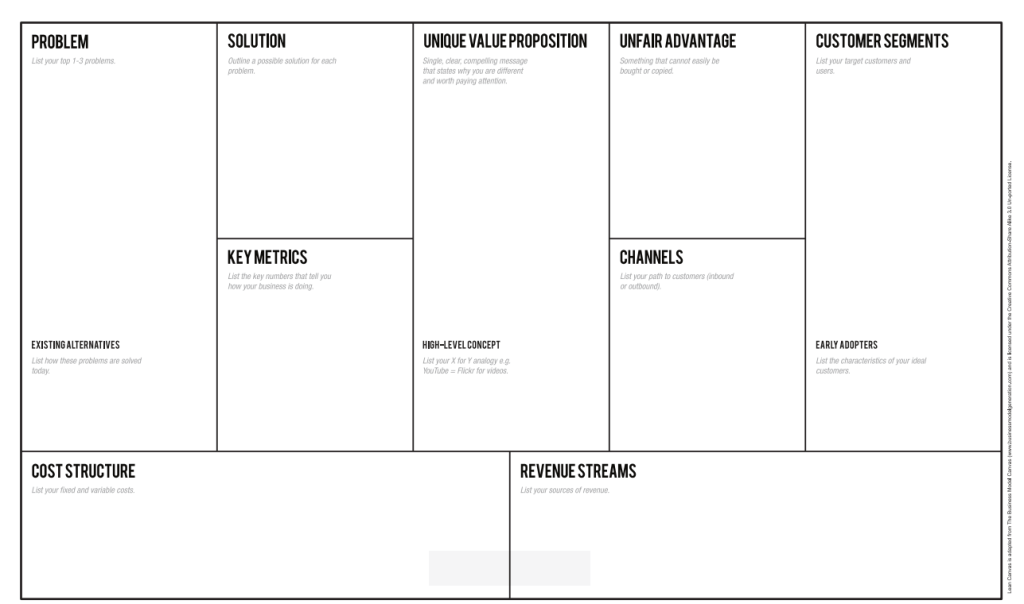
Meanwhile, the Lean Canvas, developed by Ash Maurya, is a variation of the BMC specifically tailored for startups and new ventures. It focuses on problem-solving and customer validation, making it ideal for businesses in the early stages of development. The Lean Canvas is designed to be concise and actionable, helping entrepreneurs quickly iterate and refine their business models.
Adapting and evolving a business model in response to the dynamic business environment is a strategic process vital for a company’s survival and growth. By analyzing its strengths, weaknesses, opportunities, and threats (SWOT), a business can identify areas for improvement and innovation. Embracing the need for continuous evolution ensures that companies stay relevant, competitive, and effective in an ever-changing market landscape.
Explore more about business models and strategies with this comprehensive resource: Learn More.
 faznotes.com
Leave a comment